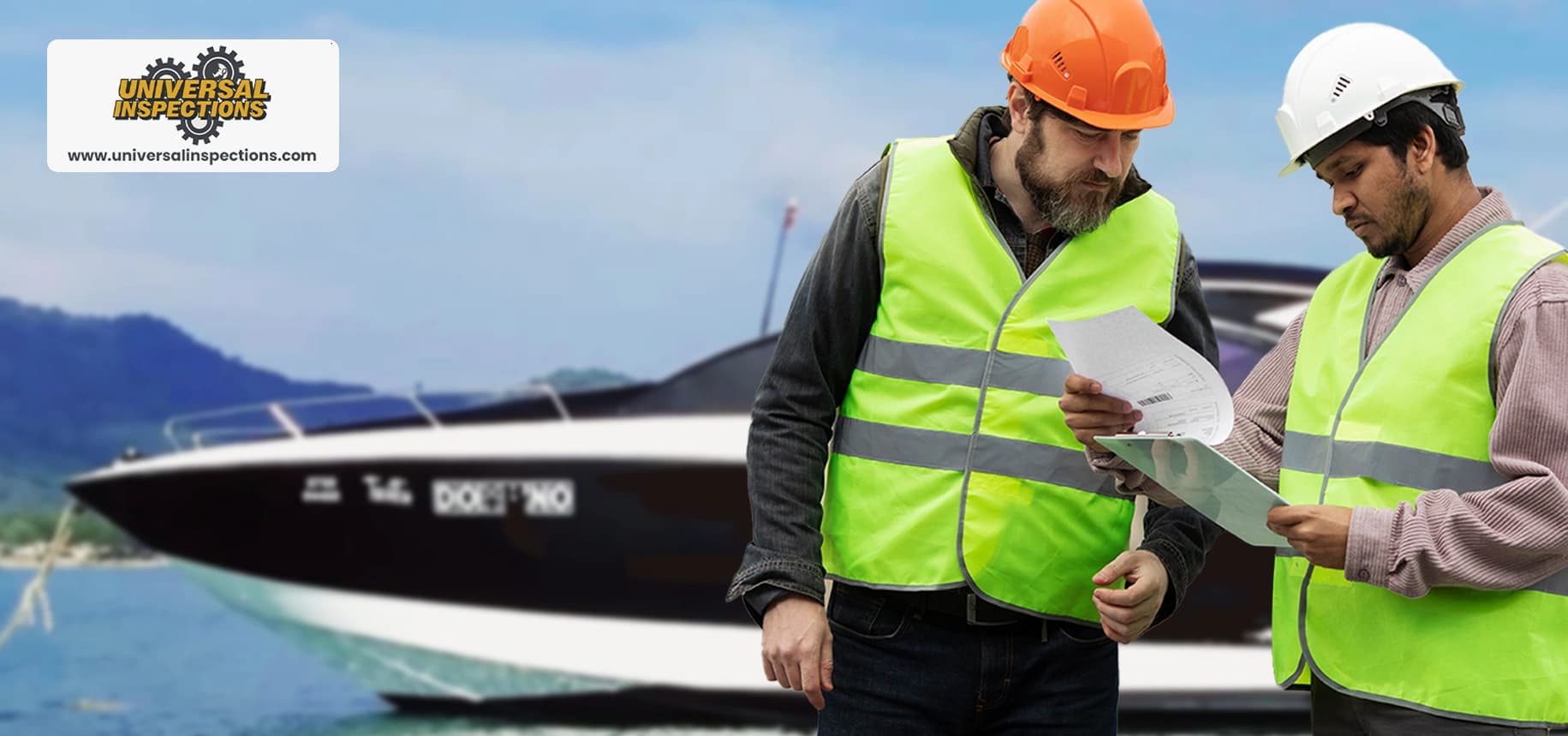
A young couple stood on the dock, staring up at a gleaming 24-foot cruiser with the kind of hope that makes a boat salesman’s job easy. The gelcoat shone. The upholstery smelled new. The seller had even run the engine for them, purring it as it had never known a hard day on the water. They were ready to write the check on the spot.
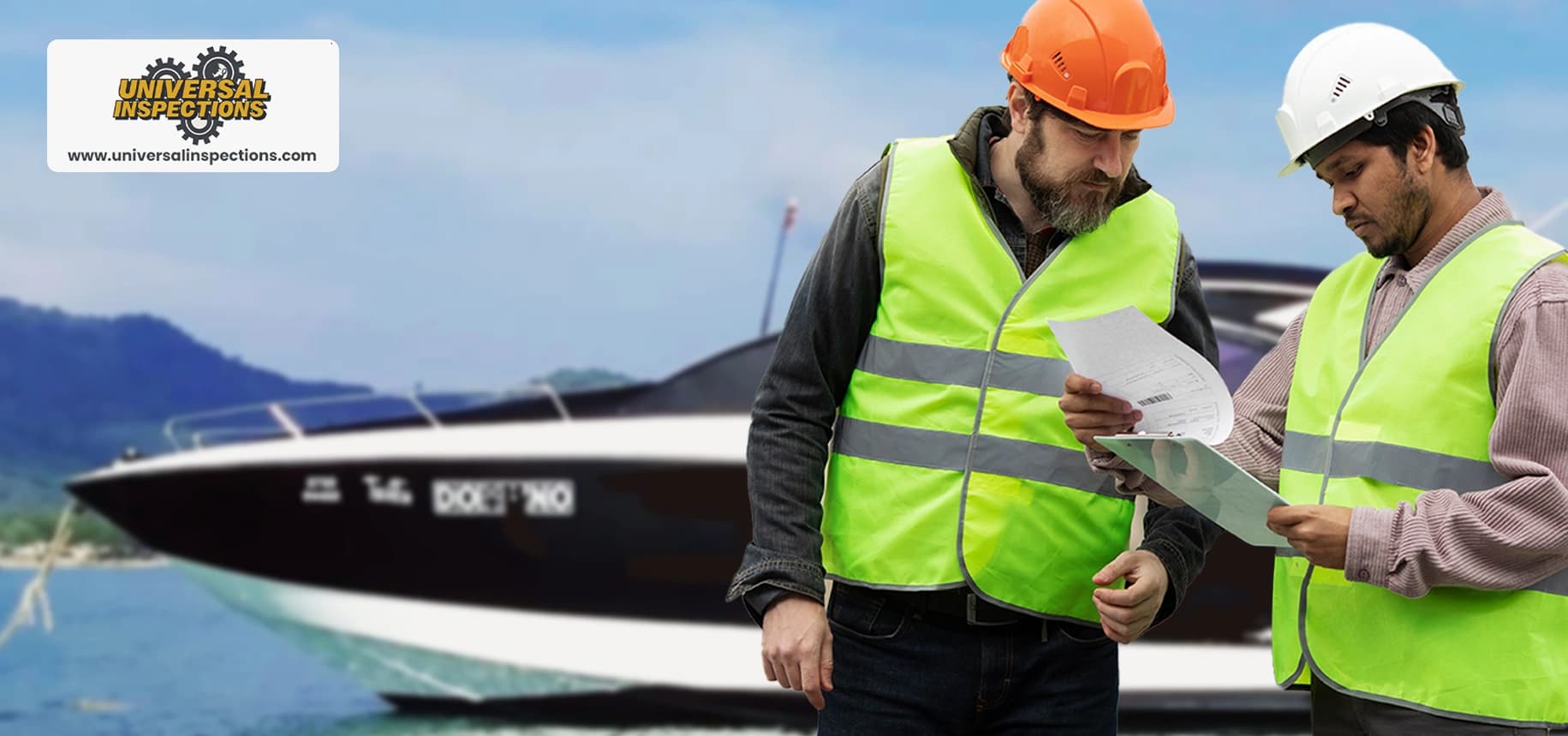
“Give us an hour first,” their inspector said, stepping aboard with a flashlight and a moisture meter.
Ninety minutes later, the couple was glad they waited. The pre-purchase boat inspection revealed its hidden issues that could have cost thousands of dollars—problems no one could see from the dock.
At Universal Inspections, our certified marine inspectors evaluate hull and structural integrity, propulsion systems, electrical and mechanical components, and onboard safety equipment. We give you a clear and complete report before you buy. Let us look at seven of the most common hidden problems a professional inspection is built to catch.
A boat’s hull can look flawless and still be quietly falling apart on the inside. Delamination happens when the fiberglass layers separate from the core material. It leaves behind soft and weakened pockets that don’t show on the surface. Inspectors use tools like moisture meters and tap testing to find such hidden voids before they turn into a hull that can’t be trusted in rough water.
Water is patient, and it does its worst damage where you can't see it. Once moisture works its way into a deck, transom, or the structural stringers that run inside a boat, it can rot wooden cores and weaken fiberglass, leading to damage outside as well. A trained inspector taps, presses, and tests these areas systematically. They can identify soft spots long before they turn into five-figure structural repair bills.
Boat electrical systems take a beating from salt, moisture, and vibration. Thus, it's common for wiring to be modified or patched over the years without much care. Corroded terminals, exposed wires, and improper connections cause both fire and safety hazards. Our inspectors go behind the dash and into the battery compartment. They make sure to check everything properly, which a casual walk-through would never reveal.
Small bubbles in the gel coat might look like a non-structural condition. However, they can be a sign that water has been slowly working its way into the laminate for years. This process is also known as osmosis. Severe or prolonged osmosis can contribute to laminate deterioration and expensive repairs if left unaddressed. A proper pre-purchase marine inspection also includes moisture testing below the waterline specifically to catch this before it becomes a huge issue at the bottom.
An engine that's been warmed up before a showing can hide hard starts, rough idling, and other red flags that a buyer might otherwise notice immediately. In fact, a cold start can reveal problems that may disappear once the engine reaches operating temperature. A complete boat inspection goes beyond turning the key. It includes checking for leaks, corrosion, unusual exhaust, and irregular vibration.
Fuel lines, tanks, and fittings degrade over time. In fact, a slow leak can go unnoticed until it becomes a safety hazard or an engine performance issue. Corrosion and cracking in the fuel system are difficult to spot. You need to deliberately check for them, which is exactly why they're a part of a pre-purchase marine inspection.
A boat can steer fine at idle. Yet, it may still have a hydraulic leak, worn cable, or misaligned rudder waiting to cause major issues once it's out on open water. These problems are often invisible during a quick dockside look. They matter enormously for your safety once the boat is moving at speed.

Back at the dock, the inspector walked the couple through everything that had turned up in the report. It documents a soft spot near the transom, a battery connection that needed attention, and a fuel line that was closer to the end of its life than the seller had let on. None of it was catastrophic, but all of it mattered. Now, they knew exactly what they were getting into and what it was really worth.
Are you ready for a pre-purchase boat inspection with confidence? Visit our official website and book your marine inspection with Universal Inspections today. Because the best time to find a problem is before it's yours.
A pre-purchase marine inspection helps identify hidden defects that could lead to expensive repairs, such as transom rot, fuel leaks, delamination, and electrical problems. So that you can decide whether to purchase a boat at a fair price or walk away.
Universal Inspections has certified marine experts to provide you with detailed and multi-point digital reports. This report covers everything, including cold engine starts, electrical wiring, steering assemblies, and structural components that quick walkthroughs may miss.
Visit our official website at universalinspections.com first. Select your vehicle type, choose a date, and submit your vessel details online to schedule a certified inspector to visit directly to your location.