Picture this. You’ve found a used tractor with reasonable miles, a clean cab, and a price that’s hard to walk away from. The seller swears it runs like a dream. Three weeks later the transmission starts slipping on I-65, a driver is stranded, and your “deal” is sitting in a repair bay running up a bill. For Alabama carriers and owner-operators, this story plays out more often than anyone likes to admit. Most of the time, one step before the sale could have prevented it.
Commercial trucks are built to work hard, and that work leaves marks that don’t always show. A fresh coat of paint, a detailed engine bay, and a recent oil change can make a tired unit look sharp.
Worn brake components, frame damage, leaking hydraulic lines, and electrical faults rarely announce themselves during a quick lap around the lot. Some only appear under load or after hours of run time. That’s where pre purchase vehicle inspections earn their keep, because they check what a test drive can’t.
For a small fleet, a single unit sitting idle costs more than the repair invoice. You also lose delivery windows, customer goodwill, and a driver’s paid miles. Alabama freight moves on tight schedules, from the Port of Mobile to the I-20/59 corridor through Birmingham, and there’s little slack to absorb a truck that shouldn’t have been bought in the first place.
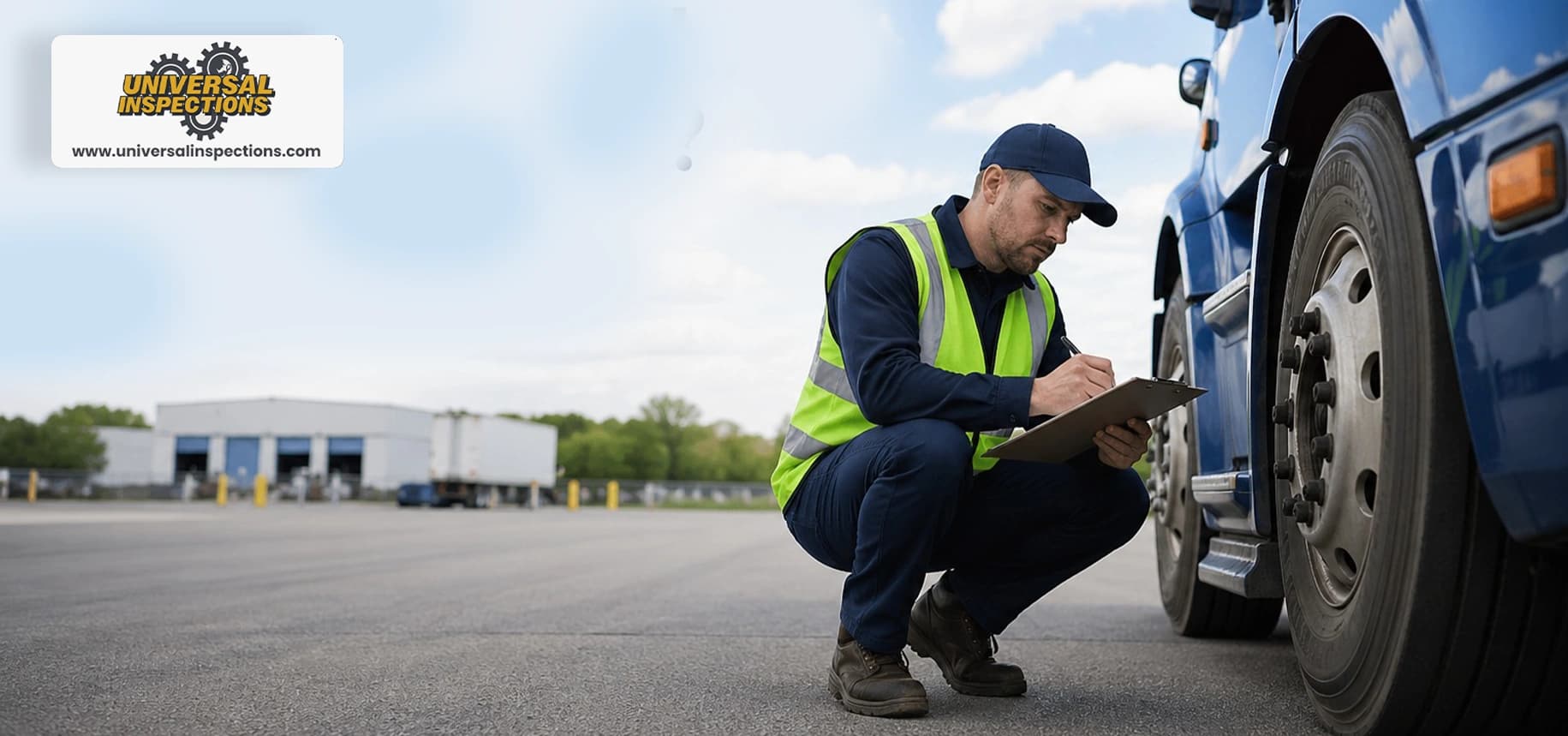
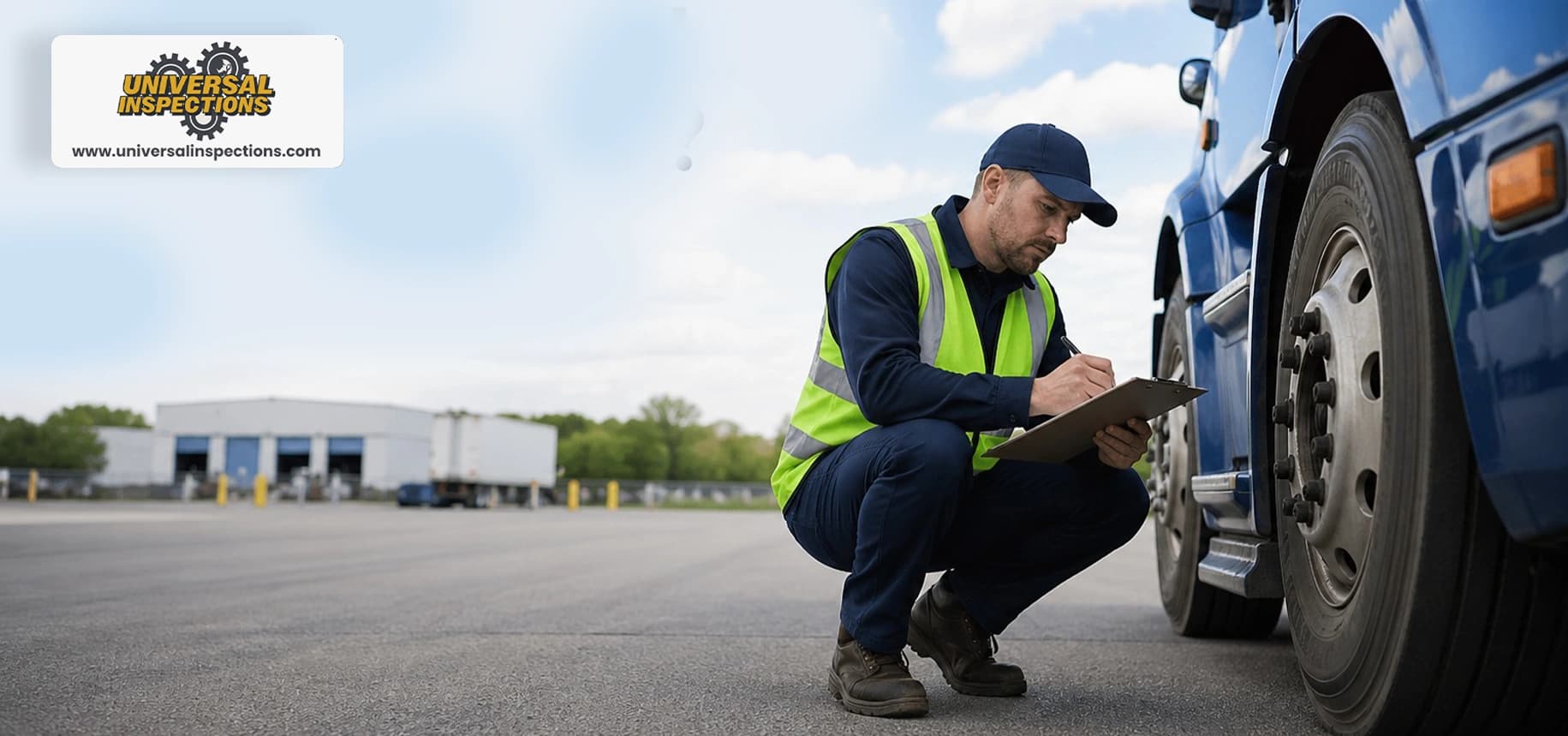
Pre purchase commercial vehicle inspections give you a documented picture of the machine instead of a salesperson’s impression. Universal Inspections, for example, sends certified inspectors to evaluate the mechanical, electrical, and structural condition of the asset. The aim is to give buyers the facts they need to make an informed decision.
The inspection typically covers:
Engine performance, transmission, and drivetrain
Hydraulic, electrical, and braking systems
Structural integrity, chassis, and frame condition
Potential safety hazards and upcoming maintenance needs
The same approach applies well beyond over-the-road tractors. Trailers, construction equipment, agricultural machinery, and industrial vehicles can all be evaluated this way. That matters in Alabama, where one business might run a dump truck, a skid steer, and a flatbed under the same roof.

An inspection report doesn’t just say yes or no. It gives you something to work with.
If the report shows a worn drivetrain or a brake system near the end of its life, you can ask for a lower price, request repairs before closing, or walk away. A seller is far less likely to wave off a documented finding than a hunch. Buyers who skip this step often end up paying for the seller’s deferred maintenance.
Even a solid truck has parts that will need attention soon. Knowing which ones lets you:
Set aside money for near-term repairs instead of being surprised by them
Schedule downtime around your busy season rather than during it
Compare two similar units on actual condition, not just asking price
Federal rules require periodic inspections on commercial motor vehicles, and a unit with a patchy maintenance history can become your problem the day you take the title. Catching safety hazards early protects your drivers, your insurance standing, and your reputation with shippers. It’s a lot easier to fix a problem before the truck is on your books.
Every used commercial vehicle comes with a story, and the seller isn’t always the best narrator. A Pre purchase commercial vehicle inspections tell you what condition the equipment is really in, so your money goes into assets that can earn their keep. For Alabama trucking businesses, that’s the difference between growing a fleet and inheriting someone else’s problems.
Before you sign the bill of sale, schedule an evaluation with Universal Inspections and let a certified inspector tell you what the odometer won’t.
Yes, and that’s one of its most practical uses. A documented finding, such as a worn drivetrain or brakes near the end of their life, gives you grounds to ask for a lower price, request repairs before closing, or walk away.
Universal Inspections evaluates cars, trucks, trailers, construction equipment, agricultural machinery, and industrial vehicles. If your business runs a mix of assets, the same inspection approach applies to each.
Before you sign the bill of sale or hand over a deposit you can’t get back. Once the paperwork is done, any problem the inspection finds becomes yours to fix.