You’ve found it. The perfect used car. It’s the right color, the right price, and it looks great. But what’s going on under the hood? Buying a used car can feel like a gamble. Nobody wants to learn how to avoid a lemon after it’s already in their driveway.
The good news is, you can take a simple step to shift the odds in your favor: get a professional pre-purchase car inspection.
What if you could spend about $200 today to avoid a surprise $3,000 repair bill next month? When looking at the professional used car inspection cost, that’s the real value of getting an opinion. "That’s the real value of getting a professional opinion.
This inspection is a tool that provides useful leverage and gives you peace of mind. It changes a stressful guess into a confident, informed decision. Before you commit thousands based on a car's look and a short test drive, here’s what this small investment provides.
For a professional, you might wonder about the total used car inspection cost; expect to pay between $150 and $350. This service, known as a Pre-Purchase Inspection (PPI), is a detailed check-up performed by a mechanic before you agree to buy the car. It’s meant to uncover hidden issues and give you a clear picture of the vehicle's true condition, helping you avoid a costly mistake.
A PPI is like a thorough physical for a car where the mechanic looks well beyond a glance:
They lift the car to check the frame for rust or accident damage
They examine the engine and transmission for leaks
They test the brakes and suspension
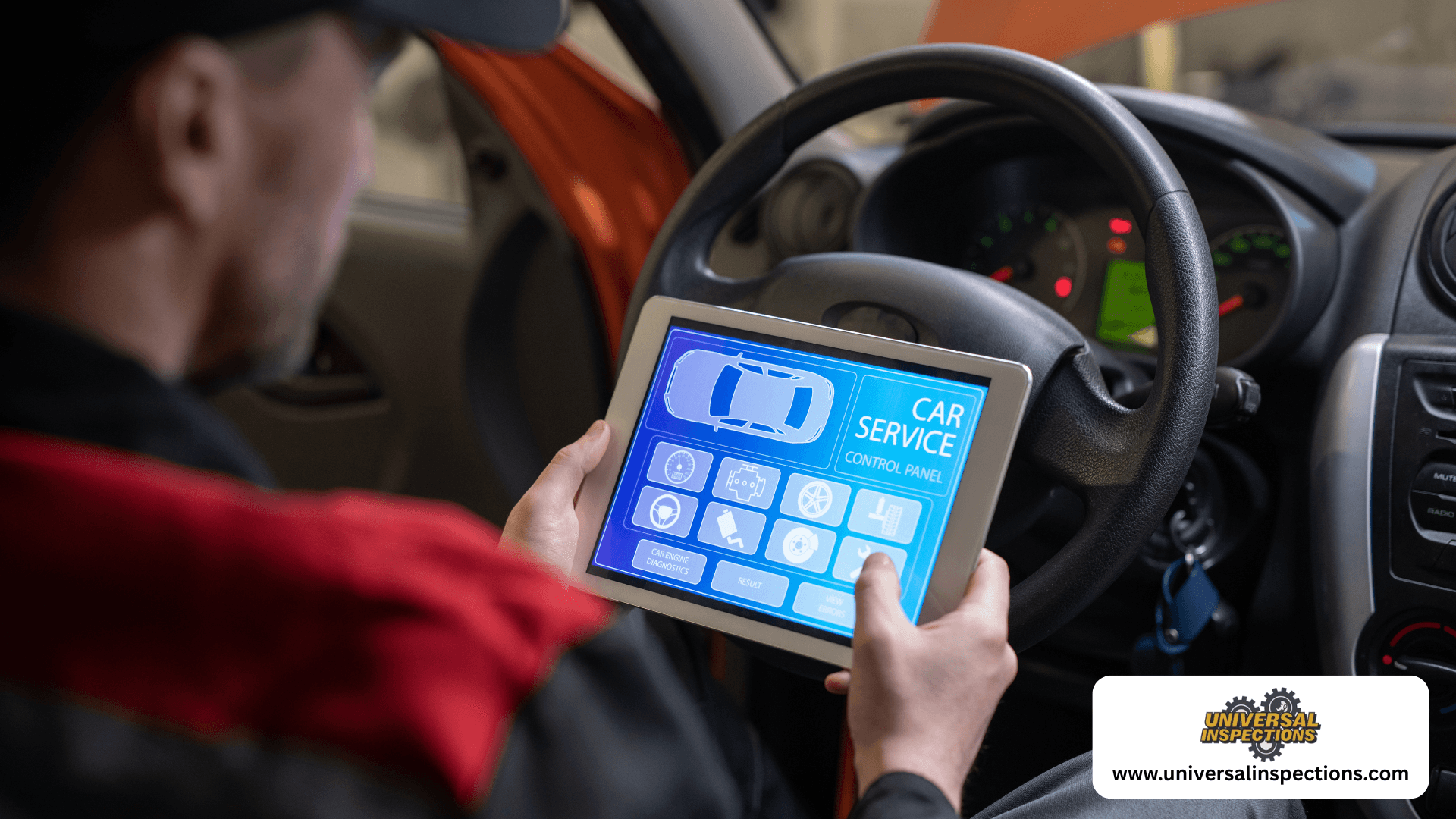
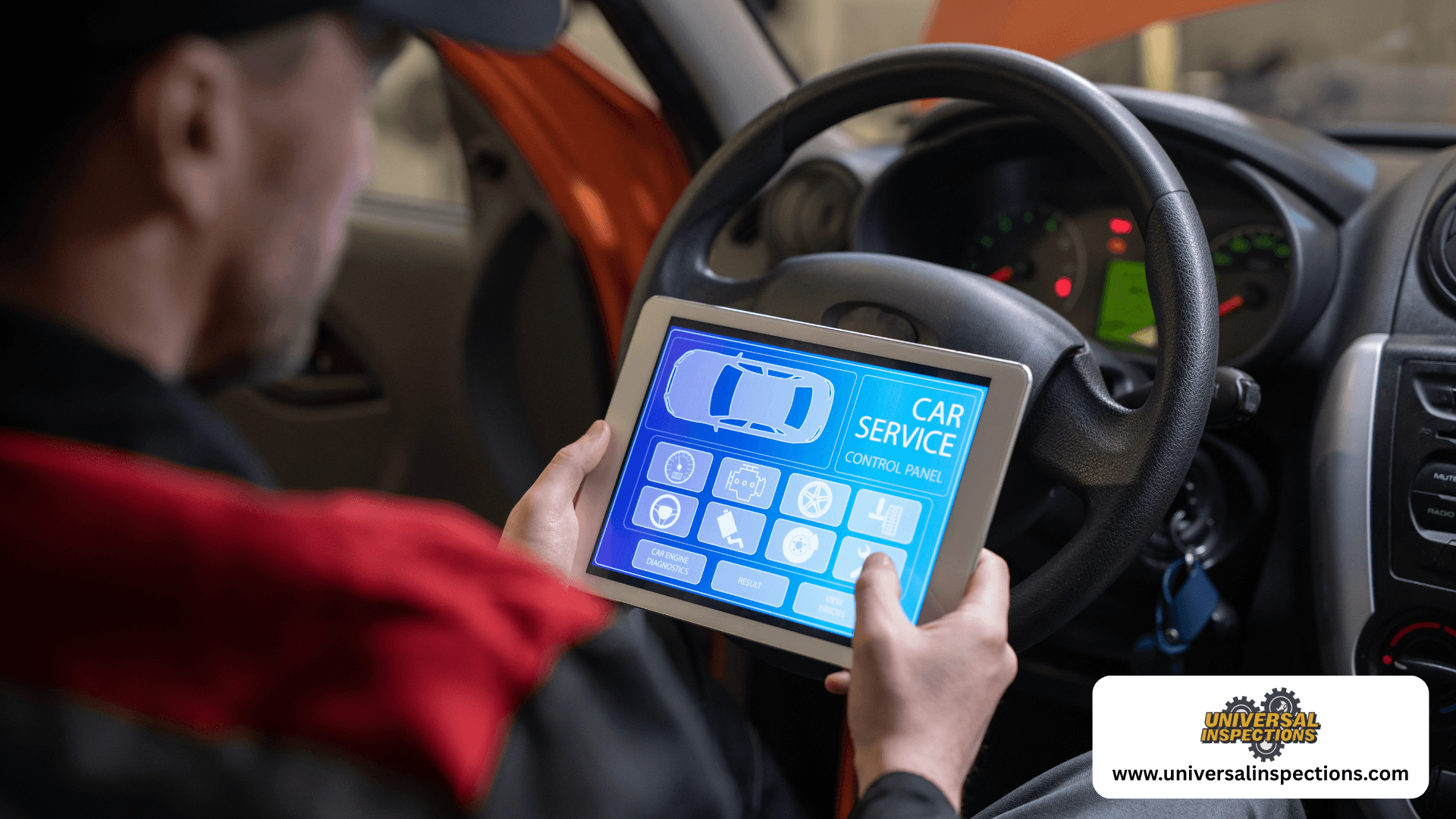
They scan the car’s computer for hidden error codes.
The goal isn’t just to get a "pass" or "fail," but to provide a complete health report on the vehicle you're considering. It’s a useful tool that equips you with the knowledge needed to walk away from a bad deal or negotiate a fairer price.
You’ll often see inspections advertised as a "150-point" or "200-point" check. While that sounds impressive, the quality of the checks themselves really matters, not the length of the inspection checklist.
"To better understand what’s included in a 150-point Pre- purchase vehicle inspection, consider grouping the checks into four main categories. A professional focuses on areas that could cost you thousands in repairs or, more importantly, compromise your safety on the road.
A thorough vehicle inspection report will cover these key areas:
Safety Systems: This includes the brakes, tires, steering, and suspension. The mechanic ensures the car can stop reliably, turn properly, and is fundamentally safe to drive.
Major Mechanical Parts: The mechanic examines the engine and transmission for serious issues like oil leaks, strange noises, or signs of poor maintenance problems that can lead to pricey repairs.
Hidden Body & Frame Damage: The car gets lifted to search for evidence you might miss, such as frame damage from an accident, hidden rust weakening the structure, or signs of flood damage.
Onboard Computer Scan: The mechanic scans the car’s computer for current or hidden error codes. This can reveal problems with the engine or electronics that a seller might hide by turning off the "check engine" light.
The inspection aims to give you an expert view of what’s happening beneath the shiny paint. It reveals hidden issues, helping you make a smart, informed decision.
The most important decision you’ll make isn’t just whether to get an inspection, but who will do it. Your goal is to receive an unbiased opinion, so avoid any mechanic who has a stake in the sale. This raises a red flag when using a dealership that also sells the car.
You have three main options:
1. The seller’s dealership: Might seem convenient, but there’s a conflict of interest.
2. A mobile mechanic service: Offers flexibility but may not have access to a vehicle lift.
3. A local independent auto shop: Often the best choice, as they have no connection to the seller and have the right equipment.
As you look for a local shop, search for mechanics who are "ASE (Automotive Service Excellence) Certified". This certification from the National Institute for Automotive Service Excellence proves a technician has passed rigorous testing and has a high level of skill. Whether you need a pre- purchase rv inspection or a pre -purchase commercial vehicle inspection, finding a shop with these credentials ensures your inspection is handled by a true professional.
Asking a seller if you can take their car to a mechanic might feel awkward, but it’s a perfectly normal part of the buying process. A serious seller who is confident in their vehicle will likely agree. Frame it as a final step before you commit. For instance, say, "I'm very interested in buying the car. As a final check, I’d like to have it inspected by my mechanic, at my expense. When would be a good time for us to coordinate that?" If they refuse, consider it a major red flag and be ready to walk away.
Once the mechanic finishes the review, they will provide a report. While the written details are helpful, the most valuable information comes from a direct conversation. You don’t need to grasp every technical term; you just need answers to a few key questions that get to the point.
Key Questions for Your Mechanic:
What repairs are urgent for safety?
What will likely need fixing or replacing in the next 6-12 months?
If this were your money, would you buy this car?
The last question is the most critical. It cuts through minor issues and gives you an expert opinion on whether the car is a smart purchase or a potential money pit. The mechanic’s answers to these questions give you the confidence to either walk away or move forward, turning their findings into your negotiation strength.
With the mechanic’s findings, you now have a powerful, objective tool for negotiation. The goal isn’t to aggressively lowball the seller, but to have a fair, fact-based conversation about the car’s actual condition and value. This comprehensive vehicle inspection report shifts the discussion from opinions to a straightforward presentation of facts, making it easier to agree on a price that reflects necessary repairs.
The negotiation process can be broken down into a simple, calm approach:
Present the key findings: Focus on the items your mechanic noted need attention soon. For instance, you might say, “The mechanic confirmed it’s a solid car, but the inspection shows it will need new tires soon, which they estimated at $800.”
Propose a fair solution: Ask if they are willing to replace the parts before the sale or lower the asking price.
This strategy encourages fairness, not confrontation. If the seller’s asking price is $15,000, and the car needs that $800 set of tires, a fair offer would be $14,200. You are simply adjusting the price to reflect an immediate, verified expense. A reasonable seller will logically understand this.
Of course, the inspection might reveal a more serious issue, like a major engine problem or signs of a previous accident that wasn't fixed properly. These are the warning signs the inspection aims to find, and they should tell you to walk away. Don't let your feelings trap you in a bad deal.
You don’t have to judge a used car by its shiny paint and clean interior anymore. You can now discover its true condition, turning a stressful gamble into a confident decision.
So, is a pre-purchase car inspection worth it? The answer is always yes.
It confirms that you've found a great vehicle.
It helps you avoid a financial mistake
It gives you negotiation power, safety, and certainty.
A professional used car inspection cost isn’t just an expense; it's the price you pay for confidence. It’s the final, essential step that provides real peace of mind, ensuring you drive away knowing you made the best possible choice.