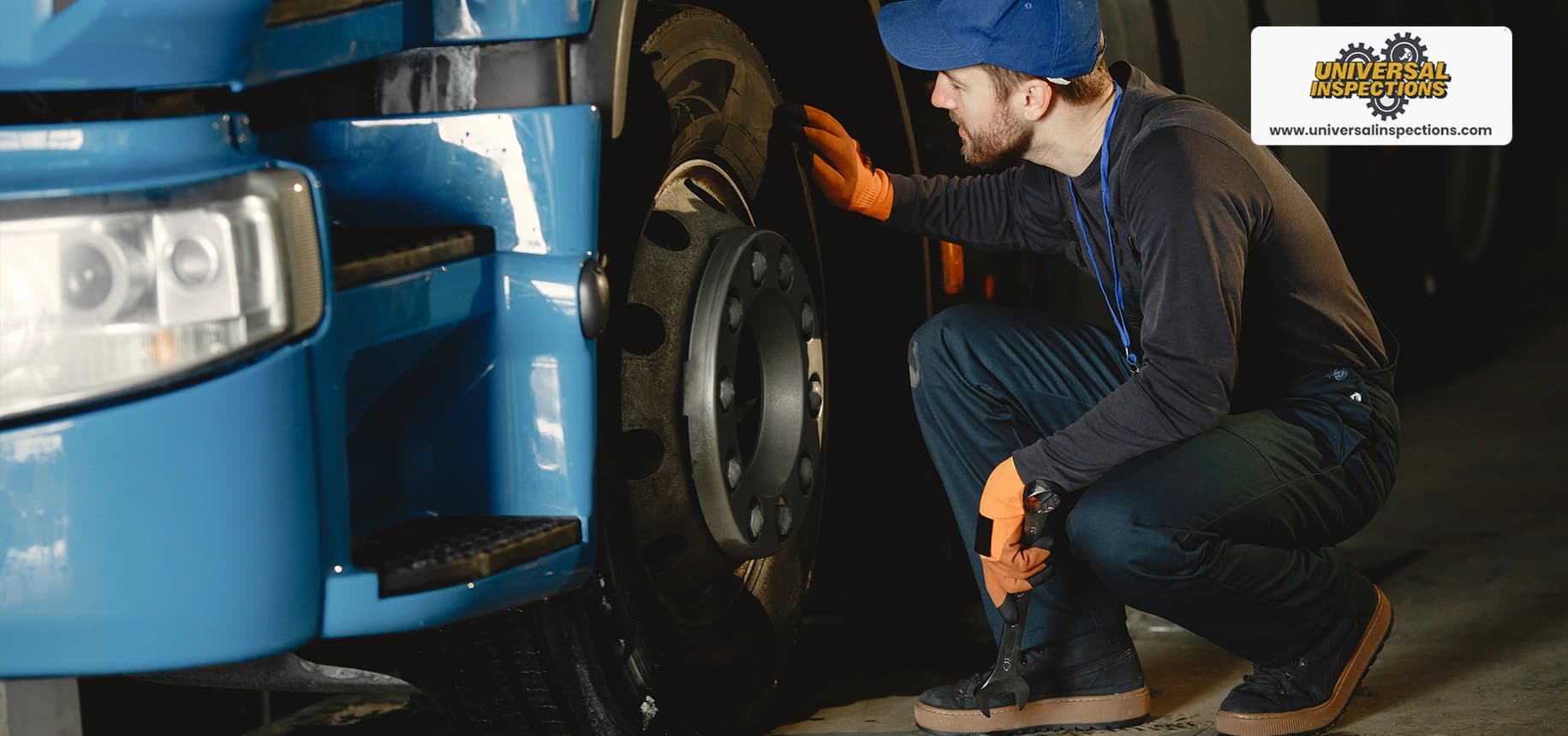
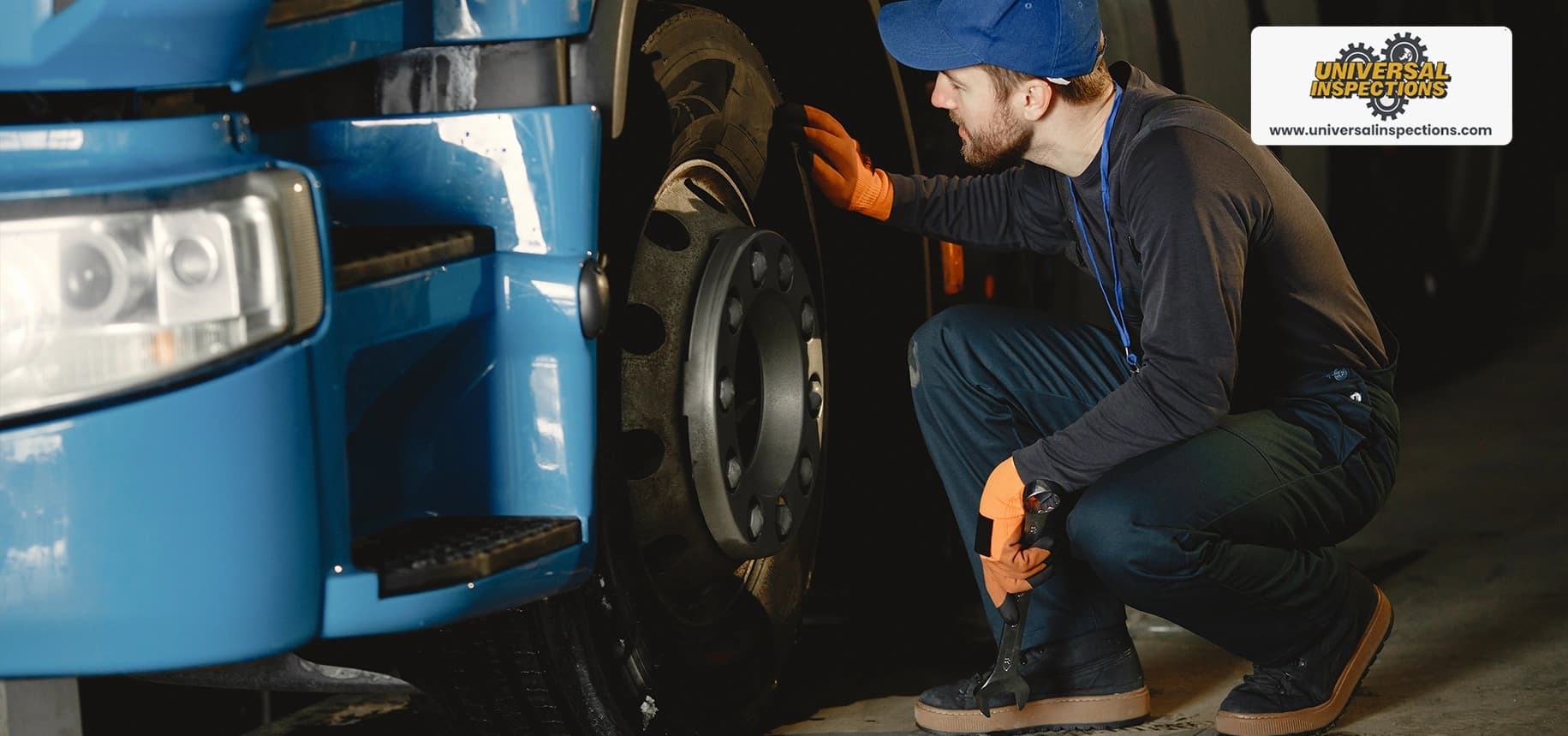
A work truck can look clean, start right up, and still be carrying a repair bill big enough to hurt your fleet budget. Before putting money down, a pre purchase commercial vehicle inspection can uncover mechanical, structural, electrical, and safety problems that are easy to miss during a quick walk-around or dealership test drive.
For a contractor, landscaper, delivery company, utility business, or construction crew, downtime costs more than the repair itself. A truck sitting in the shop can mean missed jobs, delayed crews, and lost revenue.
That's why the question isn't simply, "Does this truck run?" The better question is, "Is this truck ready to work?"
The engine and transmission deserve close attention because problems in either area can quickly turn a good-looking truck into an expensive project.
During a professional commercial truck inspection, look for:
Oil or coolant leaks around the engine and transmission
Excessive smoke from the exhaust
Rough idle, unusual engine noise, or hesitation
Delayed, harsh, or slipping transmission shifts
Unusual vibration under acceleration
Evidence of overheating or poor cooling-system maintenance
Worn driveshafts, U-joints or other drivetrain components
A seller may tell you a noise is "normal for the truck." That doesn't make it normal. An experienced inspector can help separate normal wear from a problem that deserves attention before purchase.
A work truck spends its life carrying equipment, tools, materials, and sometimes more weight than it should. Years of heavy use can take a toll on the chassis and suspension.
Look carefully for:
Frame cracks, bends, corrosion, or previous repairs
Uneven tire wear
Worn suspension components
Damaged wheels
Steering looseness
Signs of an overloaded or poorly maintained truck
FMCSA guidance identifies components such as frames, suspension systems, axles, wheels, rims, and steering systems among the vehicle areas that need to remain in safe operating condition.
Mechanical problems are only part of the equation. A fleet truck needs dependable electrical, hydraulic, braking, and auxiliary systems because these components directly affect daily productivity.
A truck can pass a casual inspection and still have problems that become serious once it is loaded and working every day.
A proper commercial truck inspection should consider:
Brake condition and operation
Parking brake
Brake lines and hoses
Lights and reflectors
Battery and charging system
Warning lights and electrical functions
Mirrors, windshield and wipers
Horn and emergency equipment
For commercial vehicles, these aren't minor details. Federal requirements call for systematic inspection, repair, and maintenance of commercial motor vehicles, while periodic inspections are generally required at least every 12 months under applicable FMCSA rules.

The truck may be mechanically sound but still fail to meet your business needs.
Depending on the truck, inspect equipment such as:
Hydraulic systems
Liftgates
Tool bodies
Dump beds
Towing equipment
PTO systems
Auxiliary electrical connections
Trailer connections
For example, a contractor buying a used dump truck might focus on the engine and forget the hydraulic system. If the hydraulic components need major work, that "great deal" can become an expensive lesson before the first job.
A professional inspection shouldn't simply give you a list of defects. It should help you understand what those defects mean for your purchase.
A useful inspection can help separate normal wear, maintenance items, and potentially expensive problems. Universal Inspections evaluates commercial vehicles across major systems including engines, transmissions, hydraulics, electrical systems, brakes, chassis, frames, and safety components.
Before buying, ask yourself:
What repairs are needed immediately?
What maintenance will be due soon?
Could any problem take the truck out of service?
Does the truck fit the actual workload of my fleet?
Does the inspection justify the asking price?
That information gives you something far more useful than a seller's promise that the truck is "ready to go."
If the truck is in Alabama, Tennessee, Mississippi, or another area covered by Universal Inspections, you can arrange a professional inspection before committing your fleet's money.
Adding the right truck to your fleet can improve productivity for years. Adding the wrong one can create repair costs, downtime, and headaches from day one. A professional pre purchase commercial vehicle inspection gives fleet owners a clearer picture of what they're actually buying and helps identify expensive problems before they become their responsibility.
For a work truck, "runs good" isn't enough. It needs to be ready for the work your business expects it to do.
A pre purchase commercial vehicle inspection can evaluate major mechanical, structural, electrical, braking, hydraulic, drivetrain, chassis, and safety components. The exact inspection scope depends on the type of commercial vehicle and its equipment.
A commercial truck inspection can identify problems that may not be obvious during a short test drive. Finding a serious engine, transmission, frame, brake, suspension, or hydraulic problem before purchase can give you an opportunity to renegotiate or walk away rather than inherit the repair bill.
You can book inspection online with Universal Inspections before purchasing the vehicle. Their commercial inspection service covers trucks, trailers, construction equipment, agricultural machinery, and other commercial or industrial vehicles.