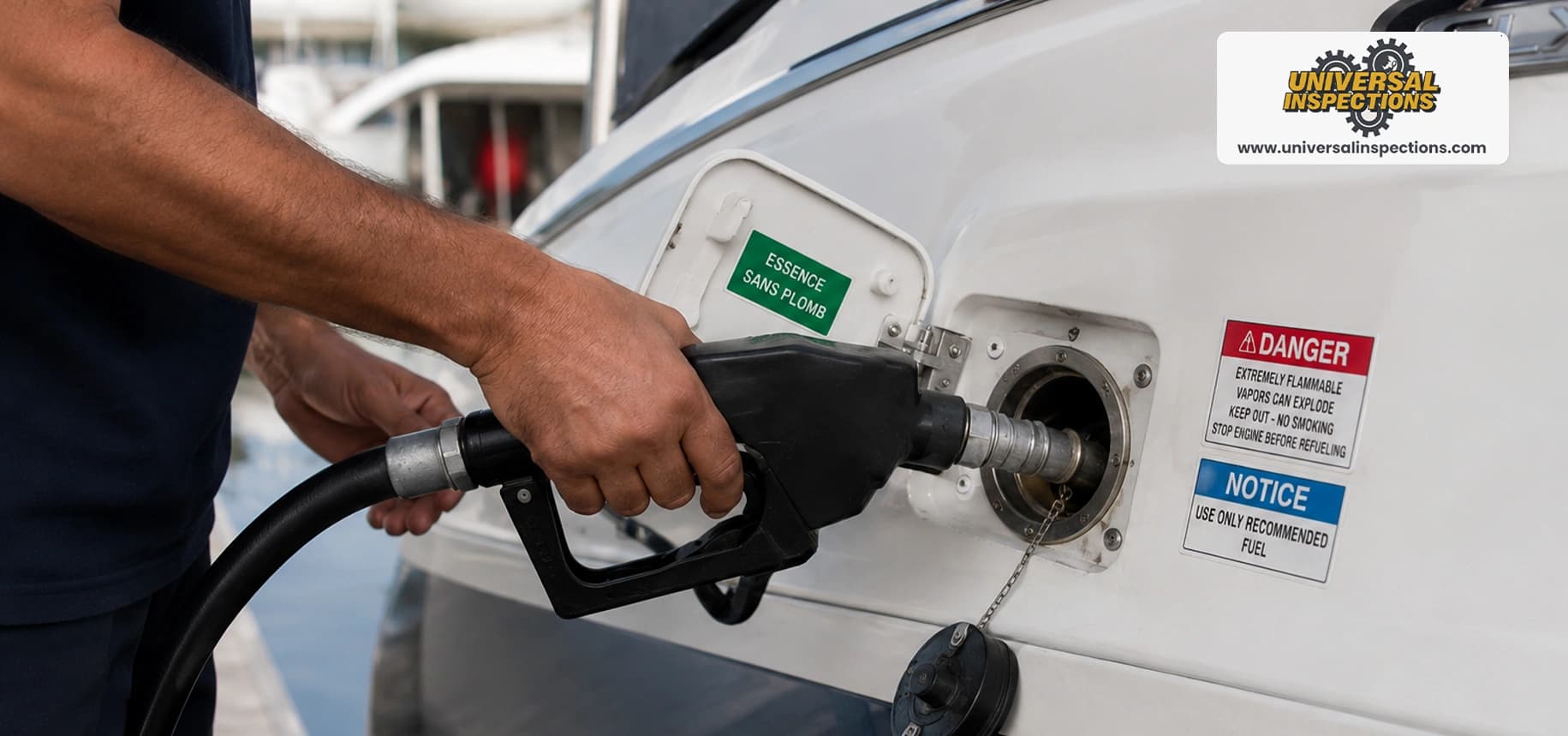
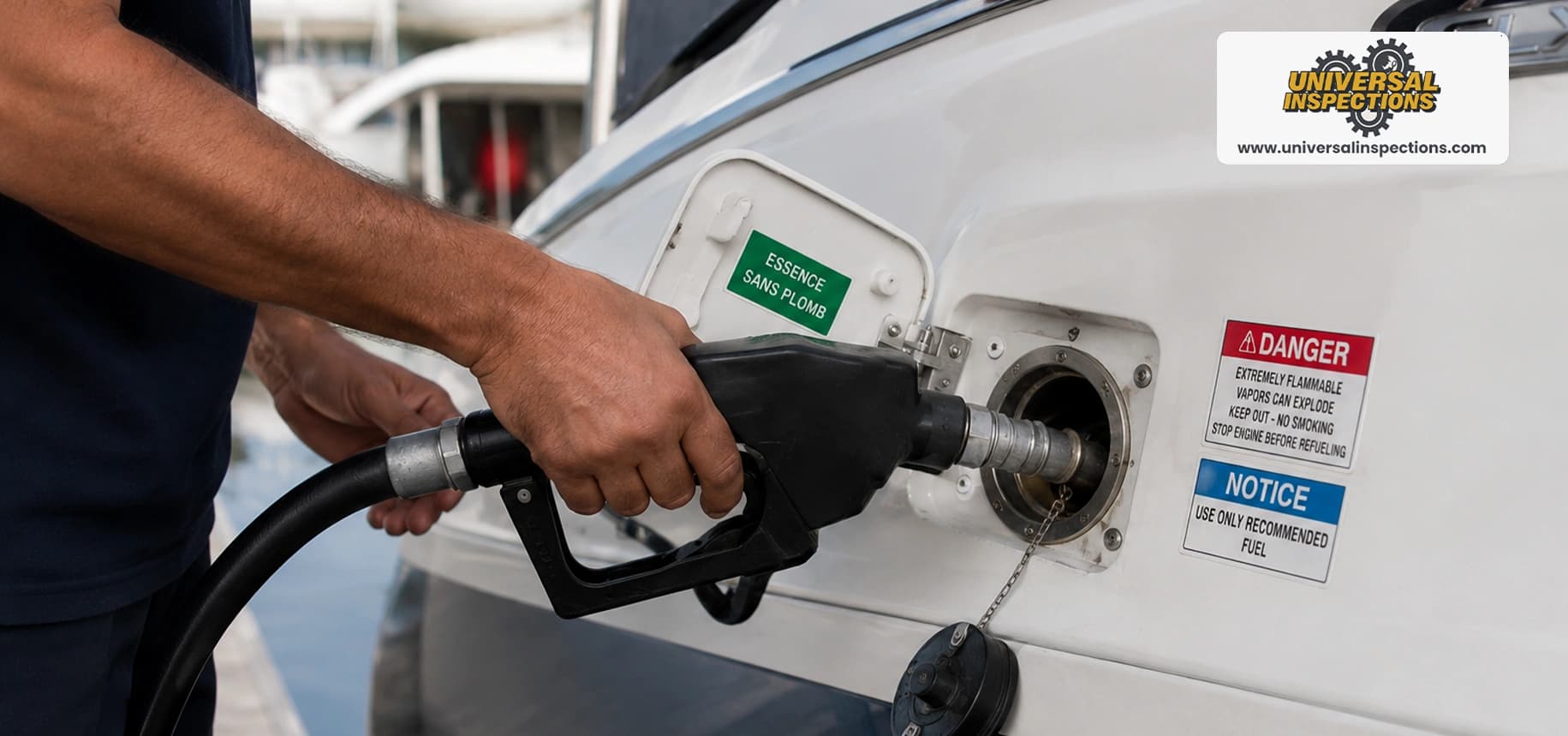
Have you bought a boat and immediately regretted it? Maybe you discovered the engine doesn’t start as smoothly as it should. Or maybe there’s a leak in the pipes. But now it's too late because you have already bought it. A simple pre-purchase marine inspection would have identified the problem before you invested in it.
Fuel system issues can affect performance and longevity and are particularly difficult to spot when buying. Hence, you need a boat pre-purchase inspection to reveal potential problems and save you expensive repairs.
A fuel tank is most vulnerable to corrosion and severe structural damage due to exposure to moisture, vibration, and marine terrain. Listed below are signs you should be paying attention to:
Visible rust or corrosion: Particularly around seams, edges, and mounting points
Dampness around the tank: Moisture, staining, or unusual residue near the tank compartment
Cracks, dents, or deformation: Affect the tank's integrity.
Loose or deteriorating mounting supports: Worn straps, corroded brackets, or damaged supports
Signs of previous repairs: Patches, sealants, unusual fittings, or mismatched materials
Strong fuel odors nearby: A persistent gasoline or diesel smell around the tank compartment
Fuel lines carry the fuel from the tank to the engine. Any damage not only impacts your boat’s performance, but it could be potentially dangerous. Inspect for the following:
Visible cracks or splits: Cracks, cuts, or splits near bends and connection points
Hardened or brittle hoses: Hoses that appear unusually stiff, brittle, or difficult to bend
Swelling or soft spots: Bulging sections, spongy areas, or changes in hose shape
Loose or corroded connections: Rust, looseness, or visible damage
Improperly routed fuel lines: Hoses that rub against sharp edges, sit too close to hot engine components
Signs of previous replacement or repairs: Mismatched hose materials, makeshift connectors, or poorly secured sections
Do you think that fuel leaks always come from a damaged tank or cracked hose? That might not always be the case. Loose clamps, worn seals, and corroded fittings might also be responsible. Check for the following during your pre-purchase inspection:
Dampness around connection points: wet spots, unusual residue, or staining
Corroded metal fittings: Rust or corrosion around connectors, valves, and fittings
Loose or damaged clamps: Loose, rusted, or deteriorating clamps
Worn seals and gaskets: Worn with age and exposure to fuel
Signs of previous leakage: Discoloration, residue, damaged surrounding materials, or a persistent fuel smell
Improvised repairs: Excessive sealant, mismatched connectors, or makeshift fixes.
Fuel vents are important for air circulation inside the fuel tank during consumption. That doesn’t seem important, but they prevent air buildup and potential explosion. In short, they are important safety features. Check for the following signs in and around the vents:
Blocked fuel vents: Dirt, insects, debris, or other obstructions
Damaged or corroded vent fittings: Rust, cracks, loose connections, or deterioration
Cracked or loose fuel fill hoses: Cracks, loose clamps, or damaged sections
Worn or missing fuel fill caps: Potentially contributing to contamination
Signs of water intrusion: Moisture, corrosion, or unusual residue around the fill opening
Poorly positioned or modified vent lines: Improper routing, sharp bends, or makeshift repairs
Over time, fuel filters, pumps, and priming components become worn, clogged, or damaged. The engine may struggle to operate as the fuel path is obstructed, impacting performance. During inspection, watch out for the following signs:
Clogged or dirty fuel filters: Dirt, rust particles, water, and other contaminants over time
Signs of fuel pump wear: For example, inconsistent engine performance, difficulty starting, or unexpected power loss
Damaged or leaking pump connections: Corrosion, dampness, or visible damage
Faulty priming components: Shape retention loss, unusually soft, or cracking signs
Frequent filter replacements: Seller reports of replacing fuel filters more often than expected
Unusual engine behavior: Repeated stalling, rough idling, difficulty starting, or hesitation

Sometimes, even for an experienced sailor, inspection doesn’t always reveal the problem. That’s where a professional pre-purchase inspection comes in. Here’s what a professional pre-purchase boat inspector might reveal:
Fuel tank condition: Visible corrosion, physical damage, staining, moisture, or signs of previous repairs
Fuel lines and hoses: Cracks, brittleness, swelling, improper routing, loose connections
Connections and fittings: Corroded clamps, damaged seals, loose fittings, and visible fuel residue
Fuel filters and pumps: Visible wear, leakage, damage, or signs of poor maintenance
Fuel fill and ventilation systems: Damage, deterioration, improper installation, or possible obstructions
Previous fuel system issues: Water stains, sediment in accessible components, recurring filter problems
Note: Some concerns require specialized testing. A visual pre-purchase boat survey cannot confirm every internal tank defect.
A boat’s fuel tank system cannot be easily verified as it remains invisible. Deep inspection can solve underlying problems such as corrosion, damage, and leakage. This not only saves you from potential repair expenses but also protects your safety.
Are you looking for a pre-purchase marine inspection? Book an inspection online with Universal Inspections and check the motorcycle before you buy it.
Common signs include corrosion to the fuel tank, cracked fuel lines, fuel leaks around fittings, blocked fuel vents, and so on. With proper inspection, you can spot these issues before investing in a boat.
Yes, a pre-purchase marine inspection can help identify visible mechanical and structural concerns before you invest in a used boat.
Yes. Universal Inspections offers pre-purchase marine inspection services to help buyers evaluate a used boat’s condition before buying. Contact the team to discuss the boat's inspection requirements. Fill in the information on the form and schedule an inspection.