Buying a marine vessel is an event in itself and is an investment in freedom, adventure, and life. However, unlike land-based assets, the maritime environment is unforgiving, and the complexities of boat ownership come with unique risks. You may be looking at a smooth motor vessel, or a rugged sailing boat, or a commercial boat, but one thing is the same: Your Marine Investment, Our Expertise.
A professional marine inspection checklist is not just a suggestion, but a very important protection for your vessel. The comprehensive assessment in a market where structural problems or mechanical failures remain hidden and can result in disastrous loss of money is the secret to the attainment of genuine Seafaring Confidence.
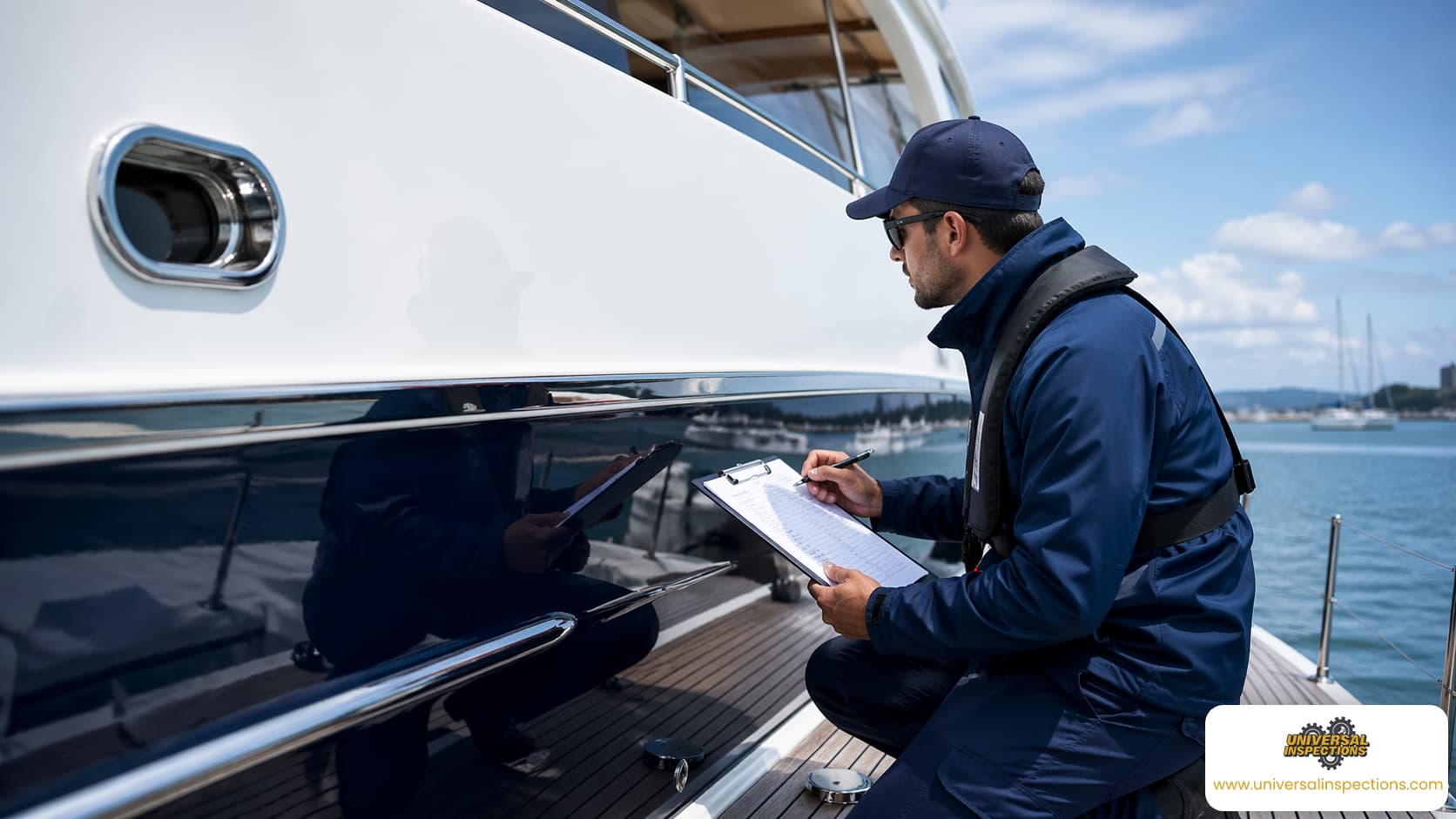
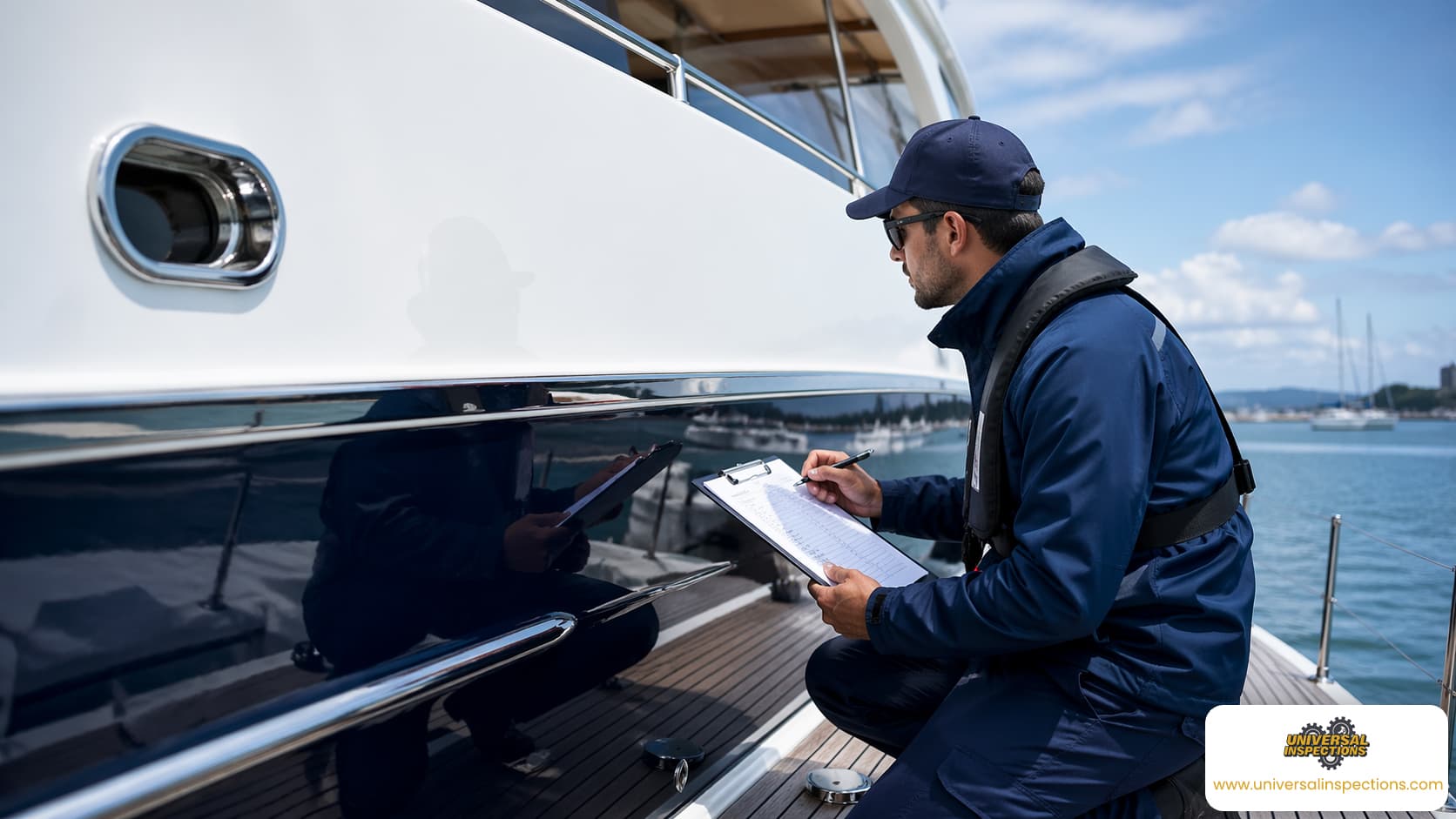
A Pre-Purchase Marine Inspection is aimed at reducing the risks that come with maritime purchases. It gives you a clear, concise idea of the status of a vessel prior to investing your capital. Through special knowledge and techniques that are considered to be industry leaders, we determine what is behind the gelcoat and in the engine room.
In order to have a good investment, our professional inspectors adhere to strict guidelines. The following is the division of the critical aspects of the state of a vessel:
Hull Exterior
Look at cracks, blisters, delamination, or impact damage.
Check gelcoat quality and osmosis.
Test keel, chines, and hull-to-deck joint.
Examine through-hull fittings and seacocks.
Hull Interior
Check bulkheads and stringers that are structurally sound.
Inspect the bilge space to determine whether there is water or oil spillage.
Determine transom(flat surface forming the stern of the boat) integrity (no flexing or soft spots)
Deck & Superstructure
Examine the deck, look for soft spots.
Check the cabin structure that contains stress cracks.
Check hatches (small openings in a floor), seals, and windows for leakages.
Ensure railing and fittings are fastened.
Even small stress signs can indicate deeper structural fatigue. A qualified Pre-purchase marine inspection may include moisture testing and crash sounding to uncover hidden damage.
Engine Condition
Review Engine hours and Service history.
Inspect for oil leaks, corrosion, or worn belts
Alignment and check engine mounts.
Inspect cooling system (hoses, clamps, heat exchangers)
Drive Systems
Check transmission and gearbox functions.
Investigate the stern drive or outboard lower unit.
Check staff positioning and cutlass ( slightly curved blade) bearing.
Propellers
Check to find out dings, bends, or cavitations.
Make sure that the propeller is secured.
Verify smooth rotation
A Professional pre-purchase boat inspection must also involve a sea trial to perform a performance check and identify any vibration, overheating, or power problems.
Electrical System
Inspect battery condition and age
Check battery connections and terminals
Test the quality of the main breaker panel and wiring
Navigation lights and onboard electronics power supply.
Test the correct connection of shore power (where applicable)
Plumbing System
Inspect freshwater tanks and pumps.
Leak checking hoses and fittings.
Manual and automatic test bilge pumps.
Check the holding tank and the marine toilet system.
Mechanical Systems
Check the operation of steering systems.
Check throttle and shift controls.
Test engine compartment ventilation systems.
Navigation and Safety Equipment
Confirm functionality of GPS(Global Positioning System) radar, VHF(Very High Frequency) radio, and autopilot systems.
Inspect life jackets, fire extinguishers, flares, and EPIRBs (Emergency Position Indicating Radio Beacon) for compliance and expiration dates.
Test navigation lights and horn operation.
Therefore, safety equipment is one of the most common and avoidable mistakes in marine transactions.

Making transactions in the sea is not as easy as it involves more than a keen eye; it involves having a reliable partner. Our goal is to deliver the essential information needed to avoid the "hidden sinkholes" that often plague uninspected vessels. Thoroughly trained marine inspection checklist, we encourage transparency and make transactions that will result in both parties being satisfied.
A ship must be a place of happiness and not a place of worry. You are deciding to be careful instead of being lucky by taking the time to perform a pre-purchase boat inspection. These are the professional evaluations that we have that make us have the final word that is needed to make a good judgment on a difficult market.
You have begun your trip on the water well enough. With a professional Inspection, you will be able to cast your lines off knowing that your money is secure and your vessel is in good condition.
Frequently Asked Questions(FAQs)
1. What is included in a marine inspection checklist?
An overall marine checklist inspection list is based on the following: hull integrity, superstructure, propulsion, electrical, plumbing, safety, and navigation equipment to make sure the vessel is structurally sound and mechanically fit.
2. Why is a Pre-purchase marine inspection important?
A Pre-purchase marine inspection helps identify hidden structural damage, engine issues, corrosion, or compliance gaps before finalizing a transaction, protecting buyers from costly repairs and investment risks.
3. How is a pre-purchase boat inspection different from a general check?
A pre-purchase boat inspection is more detailed than a routine check. It also involves structural testing, system testing, documentation check and frequently a sea test to test the performance under load in the real world.