Picture a driver in Tuscaloosa who just drove a “new-to-them” truck off the lot the whole way home. Two weeks later, the check engine light came on. They called their insurance company first, sure it would be covered. It wasn’t. Confused, they called the dealership, who mentioned something about the extended warranty. They hung up more confused than when they started.
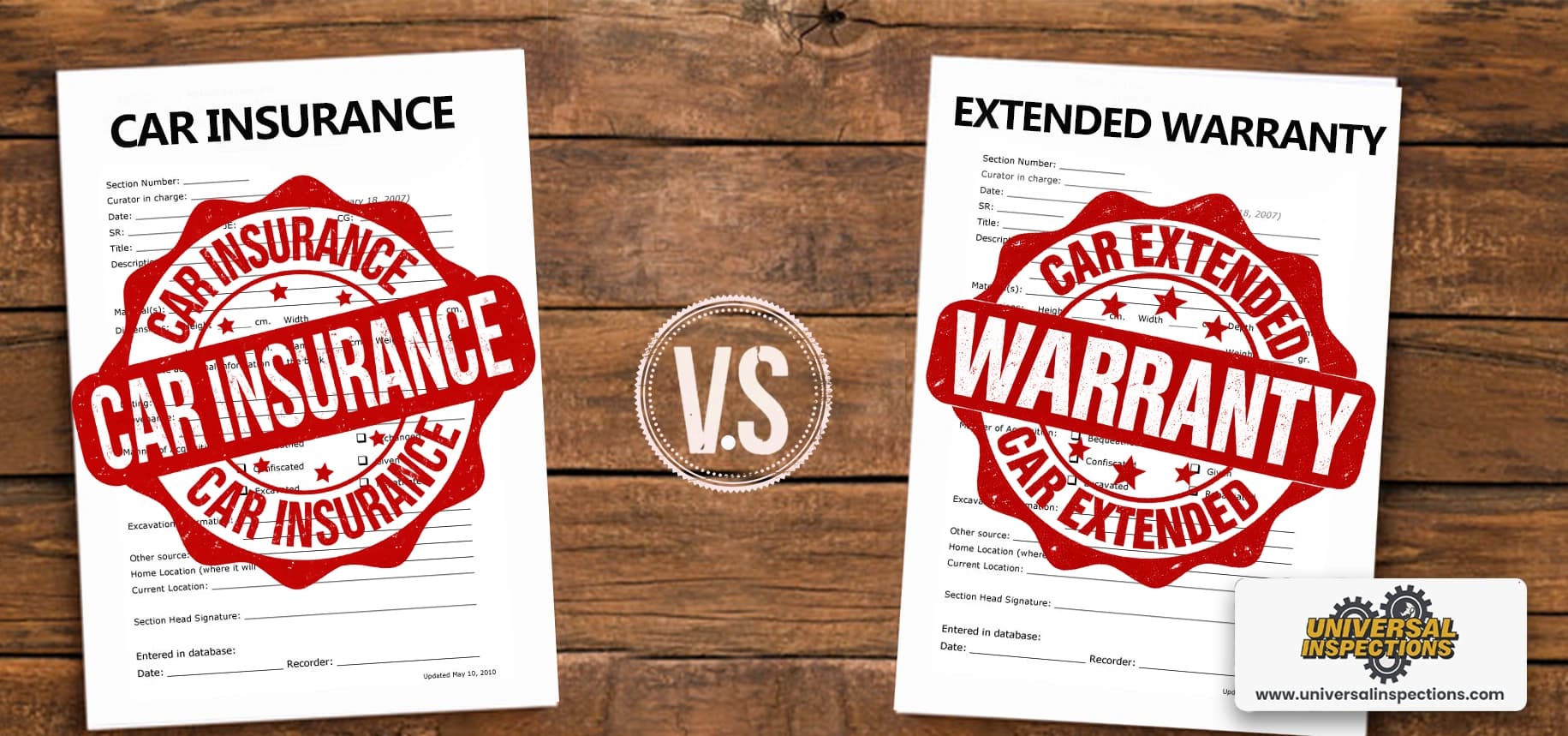
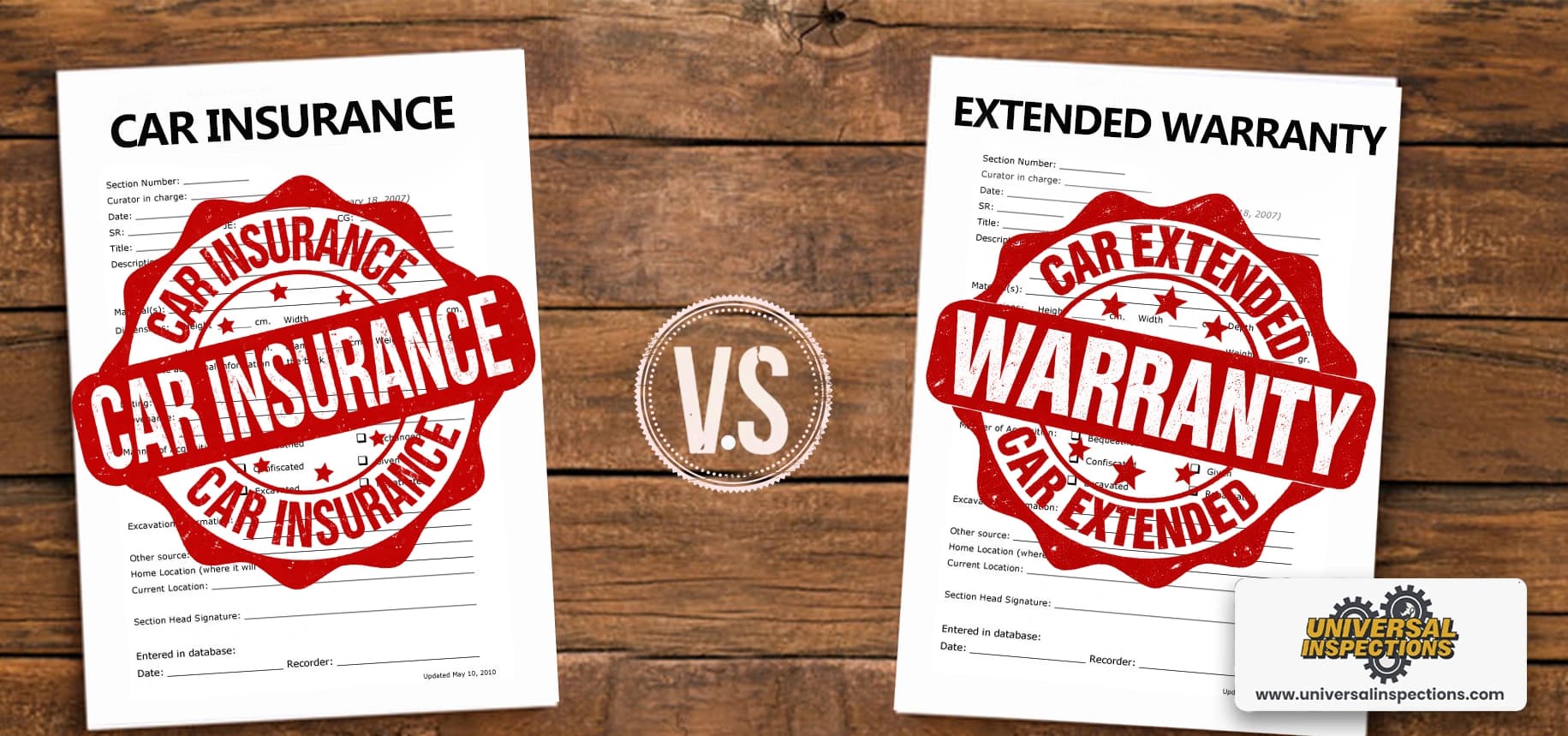
If that scenario sounds familiar or feels like it could be you, you’re not alone. Extended warranty and car insurance both feel like "protection," but they cover completely different things. Mixing them up can cost you real money and real headaches right when you can least afford either. What are they? What’s the difference between them? Let’s cover it in the following section of this blog.
Think of car insurance as your shield against everything that happens to your car from the outside. Someone rear-ends you at a red light in Birmingham. A tree branch falls on your hood during a storm in Montgomery. Your car gets stolen from a parking lot in Woodstock. That’s insurance territory.
Insurance typically covers:
Collision damage from accidents
Comprehensive claims like theft, vandalism, fire, or weather damage
Liability if you injure someone or damage their property
Medical payments for you and your passengers.
What standard car insurance typically doesn’t cover: A transmission that fails because it’s worn out, an engine that overheats due to a bad water pump, or an electrical system that just quits one day. In other words, normal mechanical breakdowns aren’t an insurance problem. Depending on the contract, they may fall under extended warranty or vehicle service contract coverage.
An extended warranty, also called a vehicle service contract, is built for mechanical or electrical components failing on their own, with no accident involved. It is essentially a promise that certain parts are handled for you instead of coming straight out of your pocket.
Extended warranties typically cover:
Engine and transmission failures
Electrical system issues
Cooling and fuel system components
Other mechanical parts specified in your contract
The catch? Not every extended warranty pays out smoothly. Some companies dispute claims, argue the issue was a “pre-existing condition,” or question whether the failure was caused by poor maintenance instead of a genuine defect. That’s where things get complicated and where an independent, third-party inspection becomes so valuable.
This is the simplest way to remember it:
If something hits your car, insurance generally handles it.
If something inside your car breaks down on its own, an extended warranty may provide coverage.
They rarely overlap, and when a claim gets denied, it’s usually because someone assumed the wrong one applied or because there wasn’t clear documentation to prove what actually happened.

This is where many drivers across Alabama get caught off guard. Warranty companies and insurers want evidence. Was the part genuinely defective, or was it pre-existing damage? Did a repair shop’s diagnosis actually match what failed? Was the cause of loss really what the claim says it was?
Before signing a bill of sale, booking an independent mobile inspection gives you documented proof of the car’s starting condition:
For Buyers: An independent inspection can identify existing mechanical issues before you buy and create documentation of the vehicle’s condition at the time of purchase.
For Warranty and Insurance Claims: Universal Inspections dispatches certified inspectors to verify shop diagnoses, determine the true cause of failure, and provide evidence-based reporting that both owners and coverage providers rely on.
Fair claims start with facts. An independent inspection can help establish those facts, whether you’re documenting a vehicle’s condition before purchase or trying to find a failure later on.
Remember that Tuscaloosa driver with the check-engine light? Once an independent inspector confirmed that the transmission failure was covered under the vehicle service contract, the confusion between insurance and warranty coverage finally made sense.
Ready for an inspection you can trust? Reach out to Universal Inspections today. For extended warranty and car insurance, email us at warranty@universalinspections.net or call us to schedule your inspection now. You will get clear and honest answers you deserve before the next surprise finds you on the road.
Car insurance protects your vehicle from external damage like accidents, theft, weather or vandalism. An extended warranty covers internal mechanical breakdowns and electrical component failures that happen on their own. Insurance handles outside impacts while extended warranties handle internal repairs.
A pre-purchase vehicle inspection provides independent documentation of a used car’s condition before you buy. It can uncover existing mechanical issues and establish a baseline that may help clarify the vehicle’s condition if a warranty issue arises later.
Email your inspection request directly at warranty@universalinspections.net or reach out by phone at 1-833-935-1888 to dispatch a certified inspector to your location or repair shop.