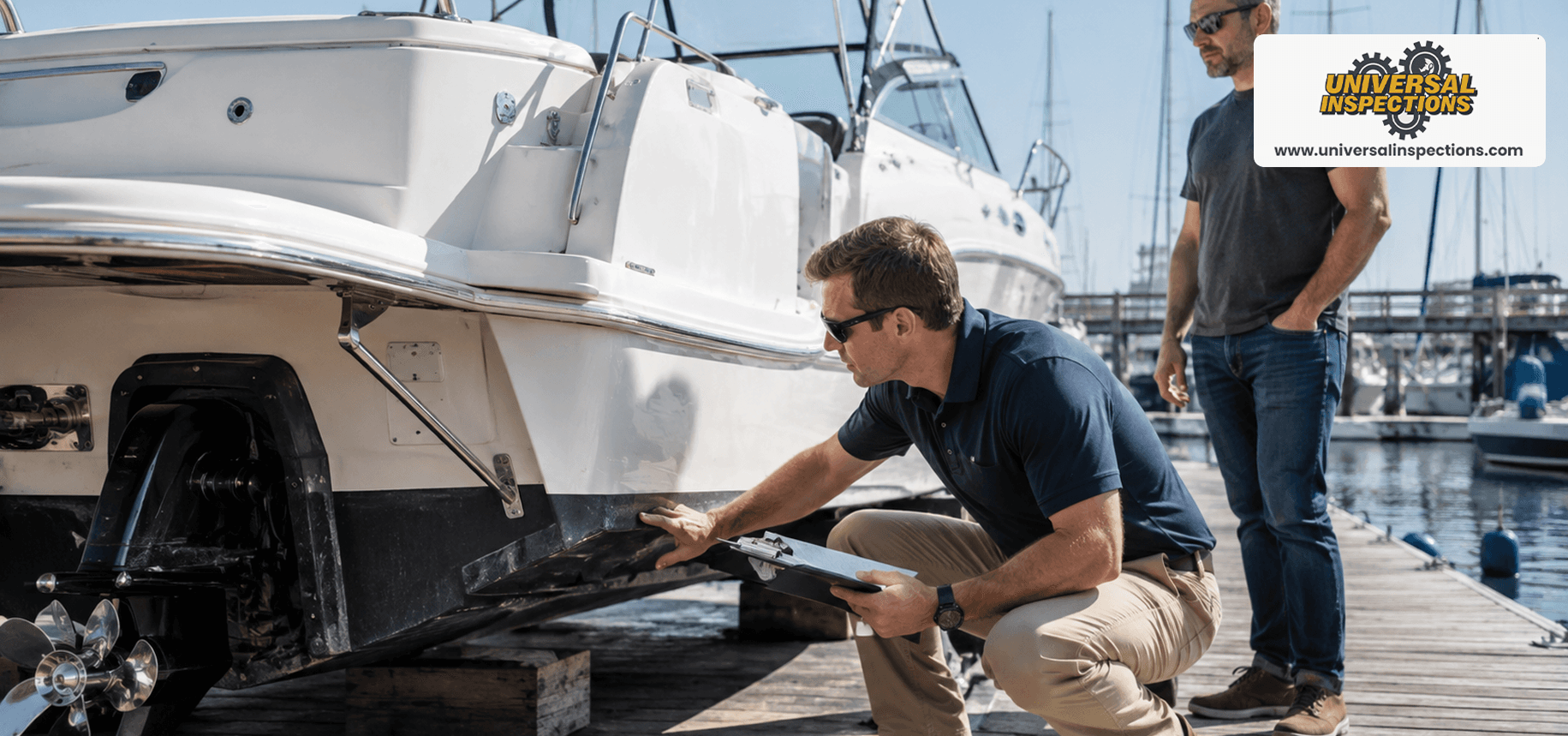
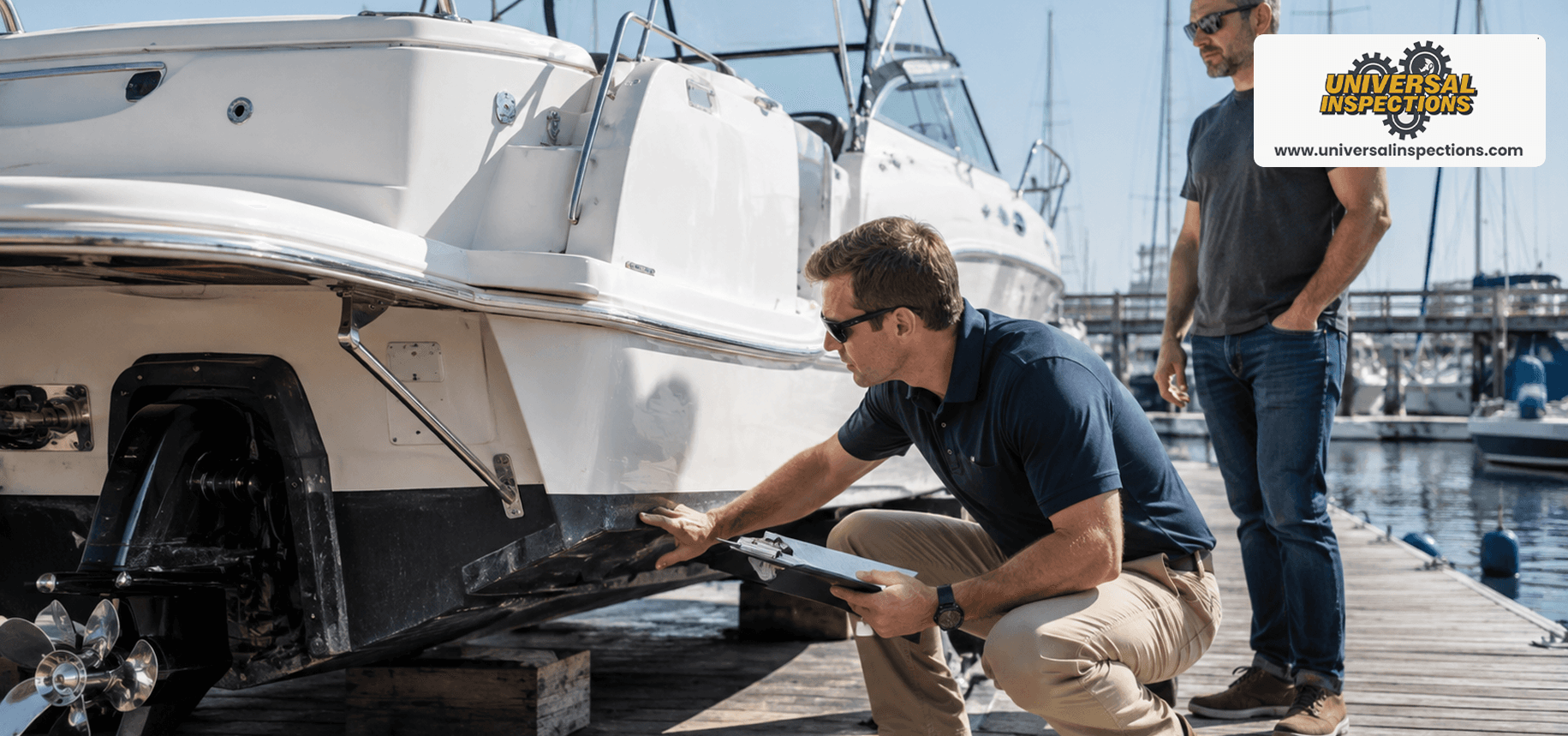
Thinking about purchasing a used boat?
If yes, this blog is for you. Well, for some of you, the first thing about making the purchase is your boat’s photos. You may have paid the money, the survey has been scheduled, and the seller will hand over the keys at the earliest. Everything is as you have dreamt it at the dock.
Here is the truth: you will understand your boat’s condition only when you run its engine into the sea. It is the most revealing part, which shows you whether you made the right decision or not. The entire process is known as a sea trial, a process of pre-purchase boat inspection. Let us learn about it in complete detail.
A pre-purchase marine survey includes many things, such as:
Checking hull integrity
Looking at a boat's wiring, plumbing, and safety gears
Checking its documentation
All the above steps take place only when the boat is standing still, either at the docks or on the lift. The sea trial is the only part where the boat actually has to sail through the sea or ocean.
Here is one thing that you must be clear about from the very beginning. A sea trial for marine inspection is not the same as a true sea trial in a commercial shipping sense. The latter involves testing the vessel under heavy conditions to test its utmost limits. For a typical recreational time on a boat, this is closer to a short trial run away from the docks. The process involves bringing the engine up to operating temperature and putting a real load on the system.
This is what makes a true difference. A boat may look flawless from the outside with a real coat of paint. The decks and engine compartment may look spotless. The exterior is deceptive. It tells nothing about its internal components. For example, does the engine overheat under load? Is its steering wheel pulling to one side? A sea trial can reveal vibrations in the running gear that appear at only certain RPMs.
Make sure your boat’s engine has not run for 24 hours before the sea trial. In technical terms, we call it the “cold start." It helps in providing the most honest diagnostic moment of the entire day.
When an engine fires up cold, a good inspector watches the exhaust closely from the first few seconds. If there is excess smoke within the first few seconds of starting your boat, there are some issues underlying it. Some sellers tend to hide this problem by warming up the engine and running it for a while before delivering the product. The cold start, in turn, prevents any such possibilities. It shows you how the actual boat’s condition is on a normal working day. It answers the following questions about marine vehicles, such as:
Does the temperature climb too quickly?
Does your engine struggle to reach its full RPM?
Are there any leaks that appear once everything is hot and under pressure?

At Universal Inspections LLC., a pre-purchase marine inspection involves checking every part of your boat properly. We check its hull structure, machinery, systems, safety equipment, documentation, and environmental compliance. For instance, a hull inspection tells you the components of your boat’s material and how they are held together. Our team of experts reviews the documents to know ownership records, maintenance history, and compliance documents.
On the other hand, the sea trial is the only step that involves starting your boat for a test performance. You will get a first-hand experience of what it feels like to take your boat out into the water.
During the trial run, the surveyor pays most of the attention to the engine compartment rather than the helm. They are taking temperature readings and checking RPM against expected performance. Not only that, but they also check out any signs of leaks and find out anything that sounds off.
Marine inspection also involves computer diagnostics, oil sample analysis, and compression tests. They provide a crucial layer of insight that a general surveyor won’t be able to provide you with. These deeper diagnostics are especially useful for older engines with no visible signs of damage.
At the end of the day, purchasing your boat is a significant investment. The responsibility that comes with it goes beyond paying money. Every part of your boat, such as its structural integrity, propulsion systems, electrical, and mechanical components, deserves attention. But the sea trial is the only step where you will get a detailed report on the boat’s actual condition. It is never about the original paperwork and giving it a pass.
Is purchasing a boat still on your mind? If yes, make sure to inspect your boat properly prior. The certified marine inspector will do a sea trial with a cold start, full-range testing, and other processes. You will get a comprehensive report about your boat’s current condition with detailed information. Before making the final purchase decision, make sure to schedule a pre-purchase marine inspection today. Our team of experts with marine knowledge will help you identify hidden issues and make an informed decision.
A sea trial is a necessary step to test your boat’s engine and mechanical components under a real load. Our team also evaluates the hull ad\nd wiring at the dock. A sea trail reveals the hidden operational issues like engine overheating, steering misalignment or severe vibrations at high RPMs.
Inspectors prefer a cold start. It means that the engine has not run for around 24 hours. It will give you an honest diagnostic look at the engine's health. A cold start prevents the seller from hiding defects by pre-warming the engine. It allows the pre-purchase marine survey to catch immediate issues like excessive exhaust smoke, hard starting or rapid temperature spikes.
Yes, you should always get a pre-purchase boat inspection regardless of perfect paperwork. Remember, that documentation and clean photos cannot prove how a vessel handles on the water. A professional inspection gives you an unbiased report on the boat’s actual structural and mechanical condition.